
Sustainable employability & vitality3 min
How do you increase your motivation when you really don’t feel like doing something at all?
If you do this one thing, your motivation instantly increases by 78%—even if you really didn’t feel like it at all.
Sustainable employability is about the ability of employees to keep working healthily, motivated and skilled throughout their careers. It is the positive flip side of absence prevention: you do not only prevent dropout, you also work on what keeps people strong and energised.
Vitality plays a big part in this. Energy, recovery, movement, nutrition and enjoyment of work influence how employees perform and how quickly they get out of balance. At the same time vitality is not an individual assignment: how work is organised largely determines whether people can keep their energy.
In this theme you read about trends, about the role of HR and the management team, about recognising signals of reduced employability and about practical ways to strengthen energy, motivation and engagement. You do that best on the basis of insight, so you invest where it has effect.
Want to make sustainable employability measurable? Read more about measuring sustainable employability with the TNO DIX.
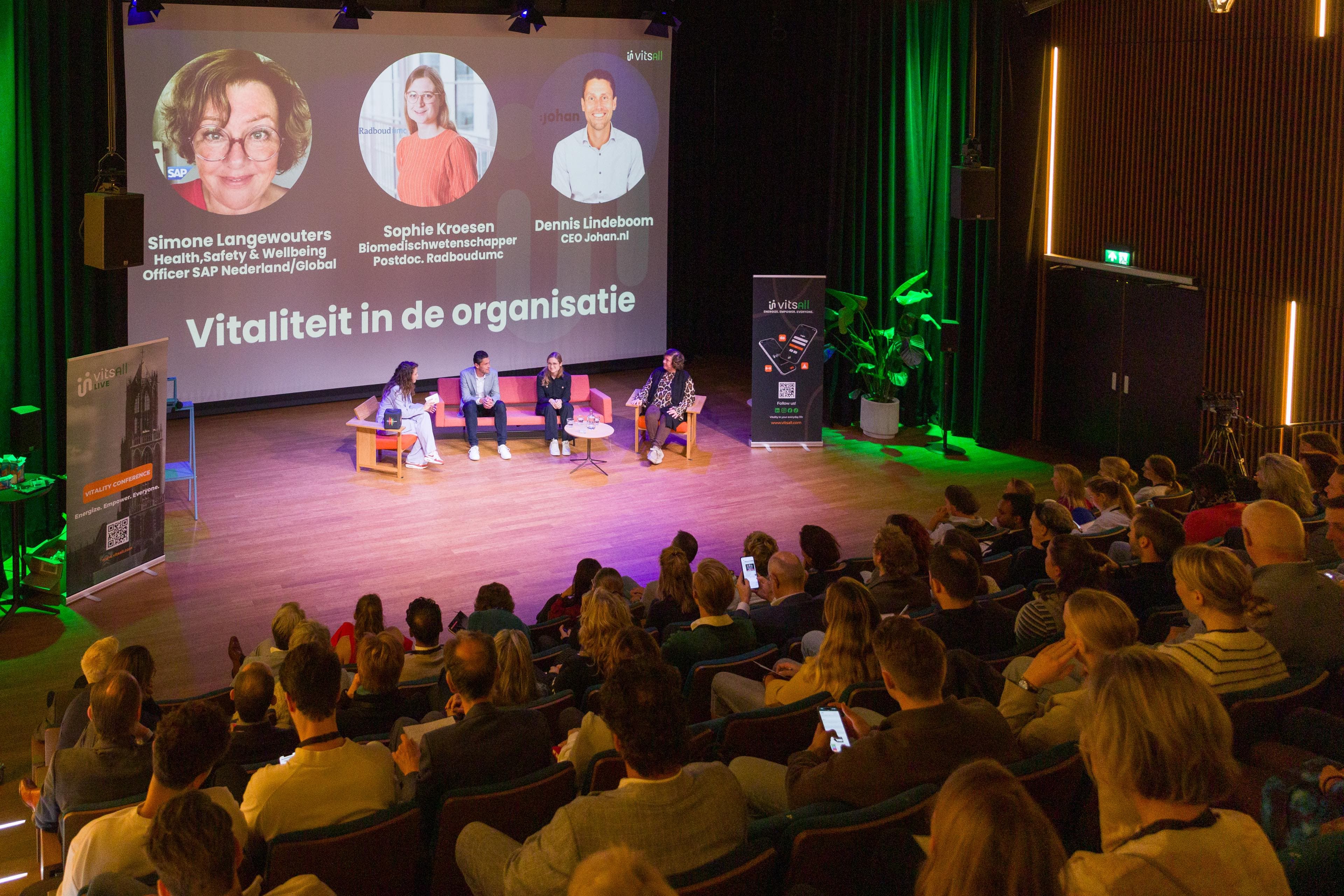
If you do this one thing, your motivation instantly increases by 78%—even if you really didn’t feel like it at all.
Do you want to know how to improve the engagement of your employees? Employee engagement is essential for a successful organization. Engaged employees are more motivated, collaborate better, and contribute to a positive work environment. But how do you approach this? In this article, you’ll learn everything about measuring and improving employee engagement.
More and more organizations are investing in sustainable employability. Not only to reduce absenteeism, but also to ensure that employees remain healthy, motivated and productive for longer. In a tight labor market, it is crucial to invest in the vitality and development of your team.

Preventing sickness absence instead of repairing it: the approach, the measures and what it costs.
3 articles

Workload, mental strain and burnout: recognising signals and preventing them.
9 articles

Absence figures, signals and data: knowing where absence comes from.
2 articles